Ankle Arthroscopy
Ankle arthroscopy is a modern minimally invasive surgical procedure utilized for both the diagnosis and treatment of various ankle joint pathologies.
What is this procedure?
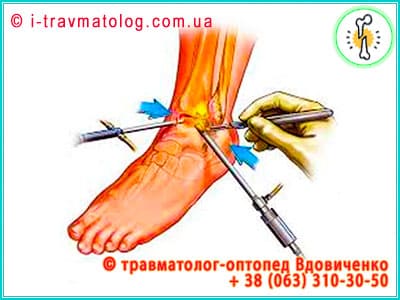
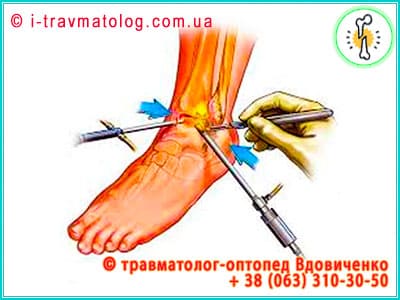
This is a surgical procedure in which the surgeon makes several small incisions (instead of large open cuts) around the ankle area. The following instruments are inserted through these small portals:
- Arthroscope: a thin tube equipped with a camera and a light source, which transmits a magnified image of the joint's internal structures to a monitor.
- Special microsurgical instruments: used to perform the necessary therapeutic manipulations.
This method allows the physician to thoroughly examine and repair damage within the joint without the need for an "open" surgery, which contributes to faster recovery and minimal scarring.
Indications for Arthroscopy
Arthroscopy may be recommended if conservative treatment has proven ineffective. Primary indications include:
- Trauma and Instability:
- Ligament damage or tears.
- Chronic ankle instability.
- Certain types of fractures.
- Chronic Pain:
- Unexplained joint pain unresponsive to conservative management.
- Cartilage Injuries:
- Osteochondritis Dissecans (fragment separation of the cartilage).
- Cartilage tissue damage.
- Other Pathologies:
- Impingement syndrome (entrapment of soft tissues or bony overgrowths).
- Presence of loose osteochondral bodies ("joint mice").
- Arthrosis, arthritis, chronic synovitis (inflammation of the synovial lining).
- Removal of scar tissue, adhesions, or bony spurs (osteophytes).
Postoperative Recovery
Recovery is generally quicker compared to open surgery, but its duration depends on the complexity of the intervention:
- Hospital Stay: Typically 1-2 days.
- Early Period (First Week):
- Limitation of weight-bearing (use of crutches/cane).
- The leg should be kept in an elevated position to reduce swelling.
- Application of cold therapy (must be wrapped in a towel).
- Taking prescribed pain medication as directed by the physician.
- Further Recovery:
- Patients can usually return to daily activities within 4-6 weeks, but timelines are highly individual.
- Physiotherapy and therapeutic exercise (physical therapy) play a crucial role, prescribed by the physician to restore strength, flexibility, and coordination.
- Return to sports activities may take 2-3 months or longer.
Important: The exact timeline and rehabilitation recommendations are always determined by the treating physician individually for each patient.
Rehabilitation
The rehabilitation process after ankle arthroscopy is key to full functional recovery and includes the following phases (timelines may vary):
- Immobilization and Protection (First days/weeks): Restriction of weight-bearing on the operated leg, use of crutches or an orthosis to protect the joint.
- Swelling and Pain Management: Regular application of cold, elevation of the limb.
- Early Motion Initiation: Active and passive exercises to maintain range of motion, started under the supervision of a physical therapist.
- Restoration of Strength and Stability: Strengthening exercises for the calf and foot muscles, aimed at restoring muscular balance.
- Proprioception Training (Balance): Balance and coordination exercises to restore neuromuscular control, which is critically important for preventing recurrent injuries.
- Return to Full Load and Sport: Gradual increase in load, inclusion of functional exercises (walking, running, jumping), and sports-specific training.
An individual rehabilitation program is developed by the physician and physical therapist based on the type of intervention performed (e.g., cartilage treatment requires a longer period of load restriction).
Prevention of Ankle Joint Pathologies
Preventive measures help reduce the risk of injuries and the development of degenerative ankle conditions:
- Muscle Strengthening: Regular exercises to strengthen the muscles of the calf, foot, and ankle stabilizers. This helps increase joint stability and prevent sprains (twists/inversions).
- Weight Control: Maintaining a healthy weight reduces excessive strain on joints, including the ankle, minimizing the risk of developing arthrosis.
- Proper Footwear: Using shoes that fit correctly, provide good arch and ankle support, especially during sports or prolonged walking. Avoiding high heels or footwear with poor fixation.
- Warm-up and Stretching: Performing an adequate warm-up before physical activity and stretching afterward to improve flexibility and prepare ligaments and muscles.
- Caution During Physical Activity: Using protective bandages or braces (if chronic instability is present) during high-risk sports activities.
Ankle Arthroscopy is considered a highly effective method for the treatment and diagnosis of ankle pathologies. Its efficacy is due to several advantages over traditional open surgery:
- Minimally Invasive: Minimum damage to surrounding soft tissues, which leads to reduced postoperative pain and swelling.
- High Precision in Diagnosis and Treatment: Magnified visual control allows the surgeon to perform manipulations accurately.
- Reduced Recovery Time: Patients return to normal life and activities faster due to minimal tissue trauma.
- Improved Cosmetic Outcome: Small incisions leave less noticeable scars.
In most cases, arthroscopy allows for significant improvement in joint function, reduction of pain, and restoration of movement activity, provided the patient adheres to all rehabilitation recommendations.
If you need consultation about Ankle Arthroscopy ☎ call +38 (063) 310-30-50, we will always help!
Consultation on the issue of Ankle Arthroscopy is conducted by the orthopedic traumatologist Vdovichenko Konstantin Vitalievich